Preferred office location:
Please select your nearest office location so we can show you the most relevant information.

Your preferred office location
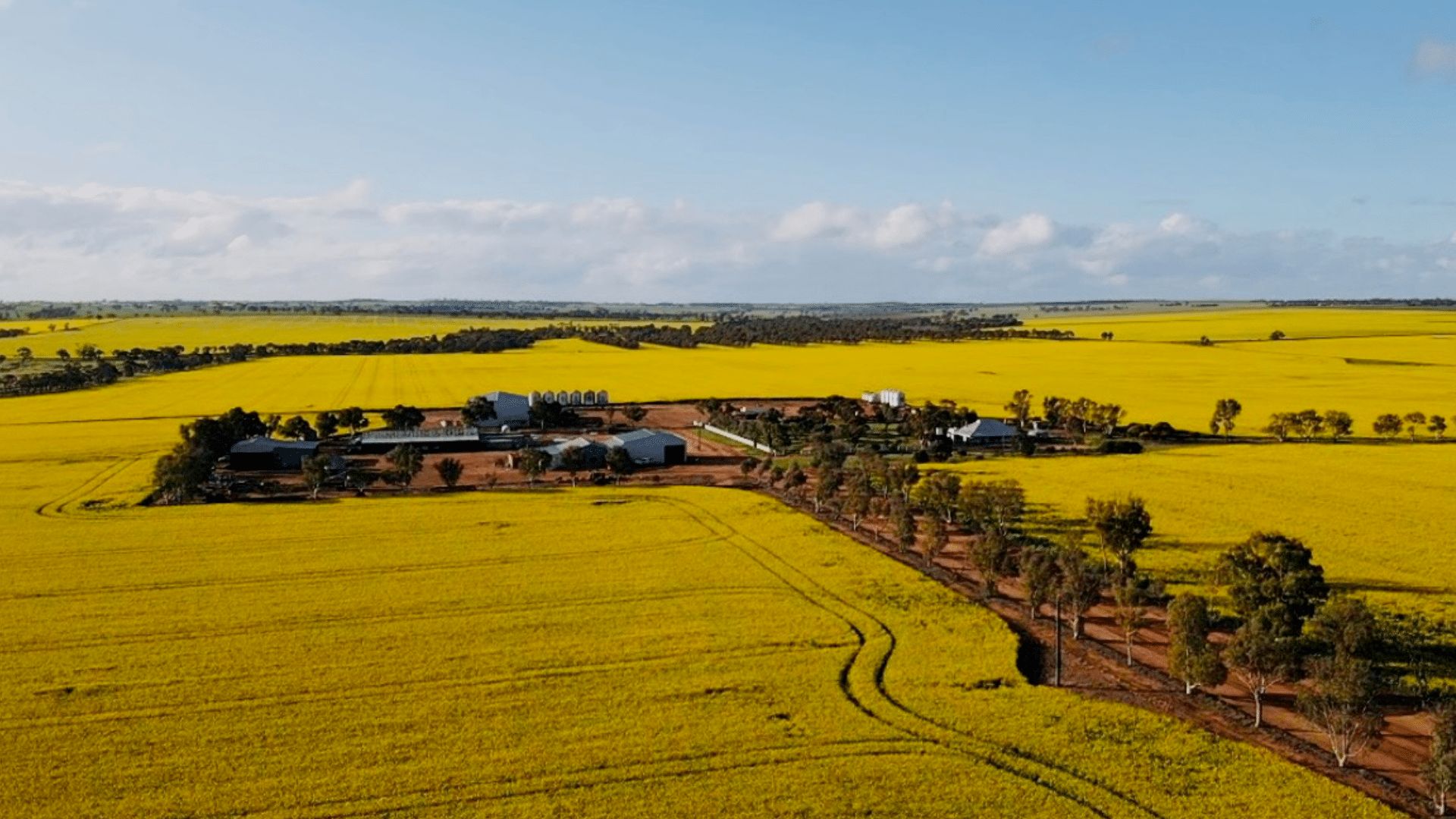
Our Agribusiness team discusses this important topic.
The article explains that rural land subdivision in Western Australia is difficult to obtain and is generally only supported where it aligns with State and local planning policies, protects agricultural productivity, preserves rural character, and serves a broader planning or public-interest purpose. A personal connection to the land, on its own, will usually not be enough. Approval is more likely where the proposal fits within recognised exceptions, such as protecting heritage, conserving biodiversity, improving land management, realigning boundaries, or creating a homestead lot that meets the relevant planning criteria.
In Western Australia, the subdivision of rural land is a highly regulated process governed by a combination of statutory provisions, state planning policies, and local planning schemes. The Western Australian Planning Commission (WAPC) plays a central role in assessing applications for subdivision, ensuring that decisions align with the principles of orderly and proper planning, the preservation of rural character, and the sustainable use of agricultural land. HHG Legal Group have recently had to deal with matters in which clients have sought to subdivide their rural properties in order to retain the benefit of some personal connection to part of the property prior to a sale, such as homestead or burial site. Below, we explore the key factors considered by relevant authorities before granting subdivision approval.
State Planning Policy 2.5 (SPP 2.5) and Development Control Policy 3.4 (DC 3.4) are pivotal in guiding decisions on rural land subdivision. SPP 2.5 emphasises the need to protect rural land for primary production and discourages ad hoc or unplanned subdivisions. It outlines that new rural lots should only be created under exceptional circumstances, such as to protect cultural heritage, conserve biodiversity, or facilitate better land management.
DC 3.4 complements SPP 2.5 by providing specific criteria for assessing subdivision proposals. It states that subdivisions must align with strategies and schemes, ensure adequate buffer distances for incompatible land uses, and comply with relevant state and operational policies. The policy also identifies exceptional circumstances under which subdivisions may be considered, such as realigning lot boundaries without increasing the number of lots, conserving heritage sites, or creating homestead lots for continued occupation of existing homesteads.
The object of these policy settings is to ensure an ordered and consistent assessment process. Authorities evaluate whether the proposed subdivision aligns with the broader planning framework, including state and local policies. Typically, therefore, subdivisions that would lead to the ad hoc fragmentation of rural land or disrupt the rural character of the area are generally not supported.
If a subdivision proposal meets the broad policy objectives, it must still address the particularities of regional and local planning strategies and schemes. These provide additional context for decision-making. Local planning strategies often include specific objectives for rural land use, such as discouraging non-agricultural activities and minimising land fragmentation. For instance, the Leeuwin-Naturaliste Ridge State Planning Policy prioritises the protection of prime agricultural land and discourages ad hoc subdivisions.
The zoning of the land under local planning schemes is a critical factor. For instance, land zoned as “Priority Agriculture” is subject to stricter controls to ensure its use for productive agricultural purposes. Subdivision in such zones is generally discouraged unless it meets specific criteria, such as demonstrating agricultural sustainability through technical studies like agronomist and hydrologist reports. Most schemes presume against the subdivision of rural land unless it aligns with the objectives of the General Agriculture zone, which prioritises productive agricultural uses.
The physical attributes of the land, such as its size, shape, and existing divisions, are also considered. For example, DC 3.4 allows for the subdivision of land that is physically divided by significant natural or constructed features, such as rivers or controlled access highways. However, minor barriers like rural roads or creeks are generally not deemed sufficient
The agricultural potential of the land is a significant consideration. Authorities assess whether the proposed subdivision would adversely affect the utility of the land for productive agricultural purposes. For instance, SPP 2.5 and DC 3.4 discourage subdivisions that would result in smaller lots incapable of supporting efficient, sustainable agricultural production.
Applications must also demonstrate that the proposed subdivision serves the public interest and does not compromise environmental sustainability. For example, subdivisions aimed at conserving biodiversity or protecting natural heritage may be considered under the exceptional circumstances outlined in DC 3.4.
Judicial decisions provide further guidance on the application of these policies. For example, in Zampatti v Western Australian Planning Commission, a WA Supreme Court decision, the court emphasised the importance of adhering to state planning policies and local planning schemes to ensure orderly and proper planning. Similarly, in Western Australian Planning Commission and Hogan, a WA State Administrative Tribunal decision, the Tribunal highlighted the need to consider the agricultural viability and environmental impact of proposed subdivisions.
The subdivision of rural land in Western Australia is a complex process that requires careful consideration of multiple factors, including state and local planning policies, the physical characteristics of the land, and its agricultural viability. In balancing the need for development with the preservation of rural character and the sustainable use of resources, mere personal connection with the land, without more (for example, the existence of a homestead) will seldom be sufficient to justify a subdivision, which if approved, may limit the productive capacity of neighboring land – that is, dimmish the ‘greater good’. By adhering to these principles, the planning framework seeks to ensure that rural land remains a valuable asset for future generations.
*The information provided in this website serves as a general guide and does not constitute legal advice. It is based on our research and experience at the time of publication. Please consult our knowledgeable legal team for any specific inquiries or advice relevant to your circumstances, as the content may not have been updated subsequently.

Please select your nearest office location so we can show you the most relevant information.